
The Red-crested Pochard (Netta rufina) is a fascinating and vividly colored member of the duck family Anatidae. This striking waterbird has garnered attention from bird enthusiasts and general nature lovers alike. In this article, we will delve into the taxonomy, physical features, habitat, diet, presence in Nepal, and an interesting point about the Red-crested Pochard.
Taxonomy
The Red-crested Pochard falls under the genus Netta within the family Anatidae. Its scientific name is Netta rufina. This beautiful bird is one of the four species belonging to this particular genus, along with the Southern Pochard (Netta erythrophthalma), Rosy-billed Pochard (Netta peposaca), and Netta Tobias.
Physical Features
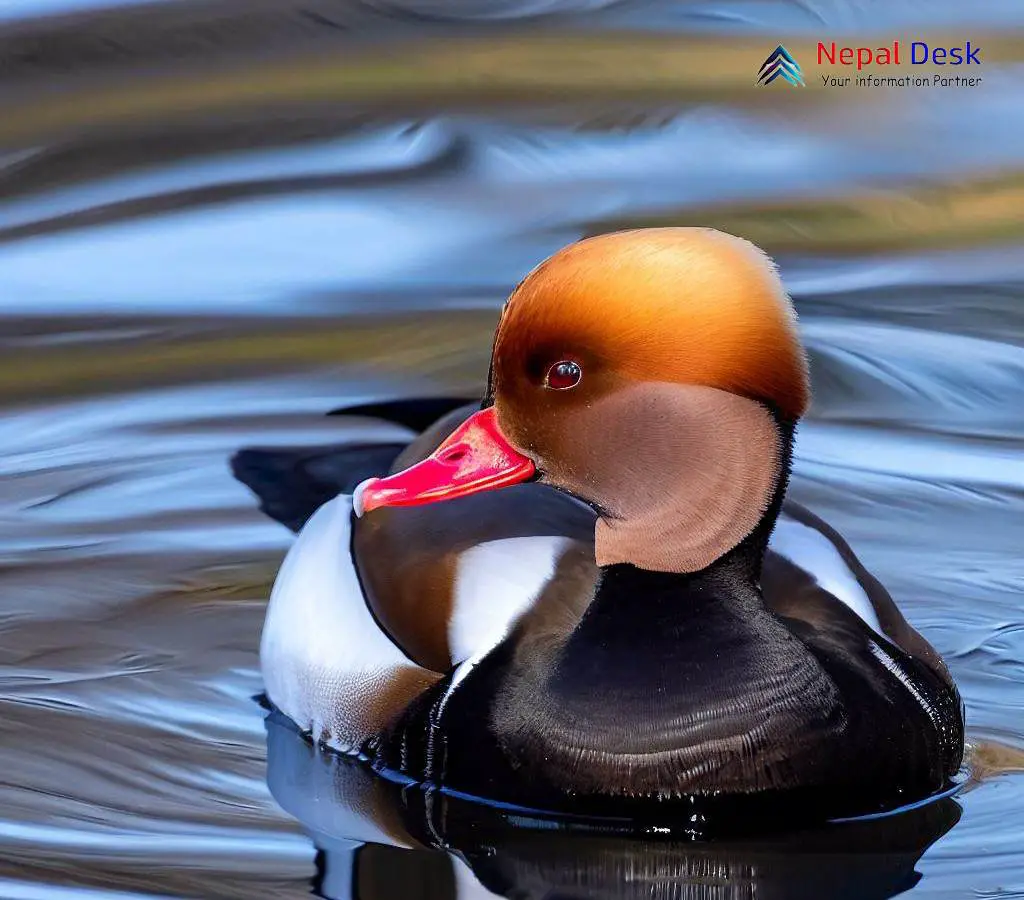
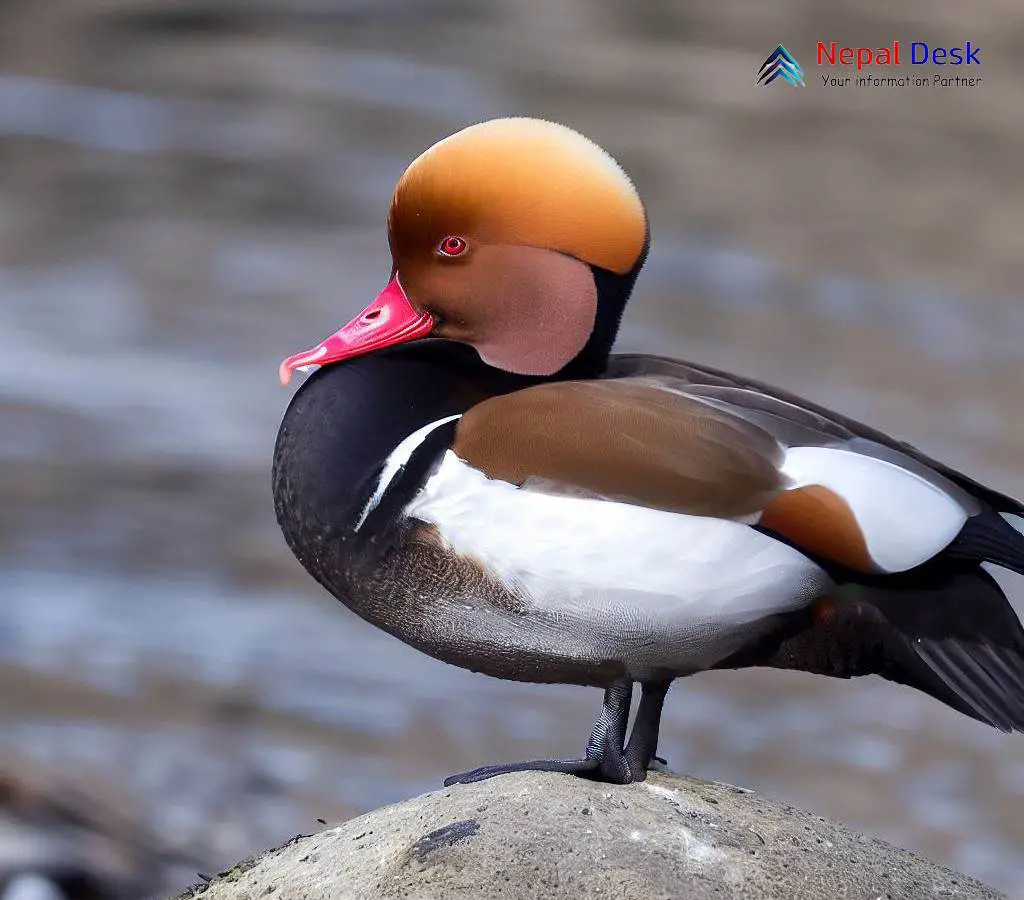
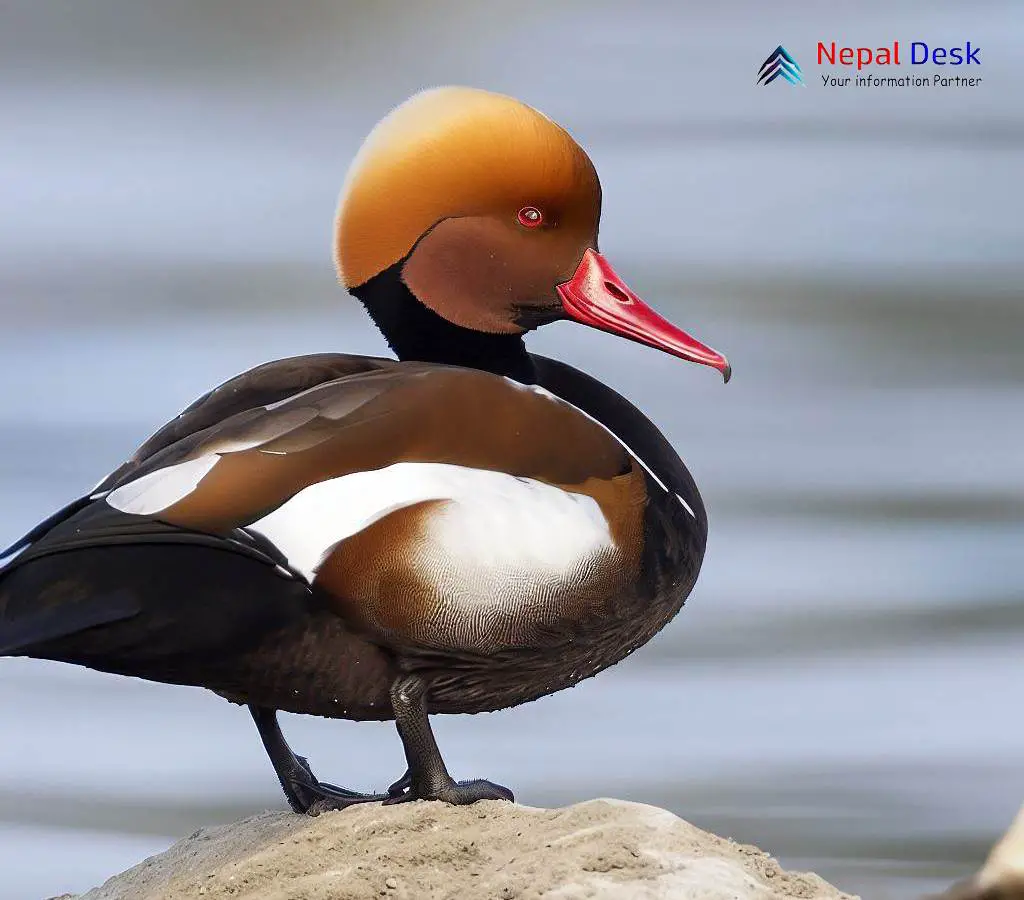
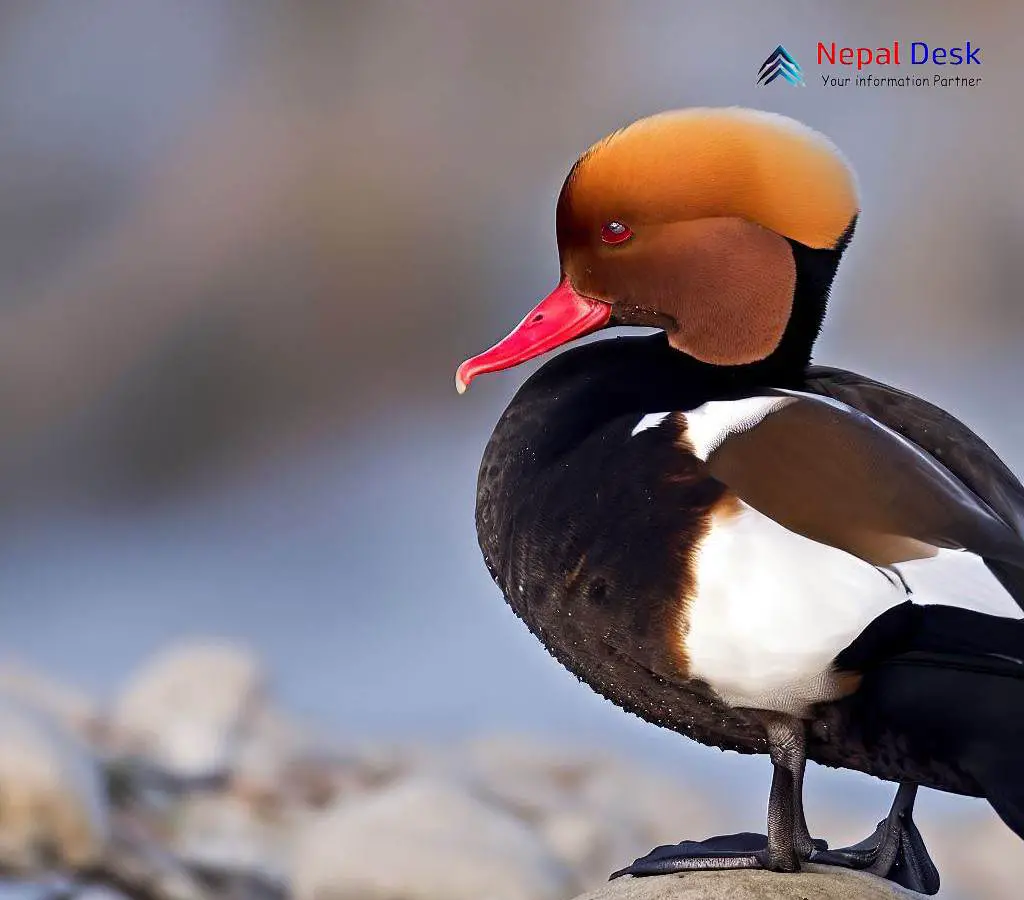
The male Red-crested Pochard boasts a vibrant reddish-orange head with a rounded crest at the top. Its striking red eyes contrast well against its dark brown body. The female, on the other hand, has a more subdued color palette with its grey-brown plumage and pale facial markings. Both males and females have similar-sized bodies, measuring around 22-27 inches in length.
Habitat
Red-crested Pochards primarily inhabit freshwater ecosystems such as shallow lakes, slow-flowing rivers, and wetlands dotting marshes or wooded areas. They are often spotted in Europe and Asia during their breeding season which usually occurs during late spring to early summer, and prefer to nest near water bodies for safe and easy access.
Diet
These diving ducks primarily feed on both aquatic plants as well as small aquatic animals such as mollusks, crustaceans, and insects. By diving into the water depths in search of food, Red-crested Pochards play an essential role in maintaining the balance of underwater plant life and contributing to the overall health of their aquatic environment.
Presence in Nepal
Red-crested Pochards are also found in Nepal during their migration. Around winter, these ducks travel from their central Asian breeding grounds to various locations across the Indian subcontinent, including Nepal. They are typically spotted in the wetlands and lakes of Nepal, and their migration serves as an exciting opportunity for birdwatchers to observe them up close in this region.
Interesting Point:
Despite the striking beauty of the Red-crested Pochard, its global population has been declining at an alarming rate. The primary causes are habitat loss and hunting pressure. As a result, conservation measures have become increasingly necessary in areas where these birds reside or migrate to ensure their survival and sustainability.
In conclusion, the Red-crested Pochard is a captivating species that offers insight into biodiversity and ecological balance. Its vibrant appearance and fascinating behavior undoubtedly enrich the natural world. Gaining an understanding of this species is essential for successful conservation efforts and fostering an appreciation for the incredible diversity of birdlife on our planet.