
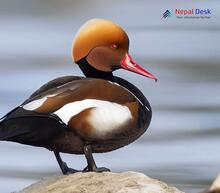
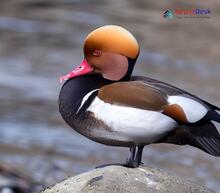

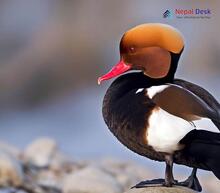
Bird enthusiasts and researchers can't get enough of the unique and diverse ducks within the Netta genus. These amazing waterfowl have adapted to all sorts of ecological habitats, making their evolution, shape, ecology, and presence in Nepal truly important when it comes to understanding their impact on our planet. In this article, we'll dig into these topics to give you an all-inclusive view of these incredible birds.
Tracing Back the Netta Genus' Evolution
Over time, the evolution of the Netta species has brought us a wide array of ducks with some really distinctive traits. They come from the Anatidae family—the same big family that's home to other ducks, geese, and swans. According to recent DNA studies, it appears that the Netta genus branched off from related duck groups somewhere between 2 and 12 million years ago. This lengthy evolutionary past has given birth to a vibrant variety of birds able to survive in various environmental settings.
Morphology: How They're Made for Surviving
The Netta species boast some pretty amazing morphological features that help them adapt to different ecological landscapes. Many attributes—like bill shapes, body sizes, and feather colors—vary between species based on their specific homes and food choices. One standout feature is their long necks, letting them reach into the water for food more easily than other ducks. Plus, these birds have a remarkable ability to control their buoyancy with specialized air sacs that help them stay stable and maneuver well while they swim or dive.
Ecology: Where They Live and How They Act
These fascinating ducks can often be found in freshwater wetlands throughout Europe, Asia, Africa, and parts of Australasia. They prefer shallow lakes full of aquatic plants because it gives them both safety and food. Unlike other ducks that dive deep underwater, Netta species are categorized as "dabbling" ducks since they graze the water's surface. They're also quite social and can usually be seen in pairs or small groups during mating season.
Life of Netta Species in Nepal
Two kinds of Netta call Nepal their home: the Red-crested Pochard (Netta rufina) and the Ferruginous Duck (Netta nyroca). Both can be found in Nepal's many wetland ecosystems, like the Koshi Tappu Wildlife Reserve, Chitwan National Park, and Rara Lake. These birds serve as an important measure of wetland health while also adding to Nepal's biodiversity. However, human-driven issues such as wetland deterioration, pollution, and habitat loss are putting the Netta populations in Nepal at serious risk. This underscores the importance of ongoing conservation work to protect these fantastic birds.
To wrap things up, taking a deeper look at the Netta genus gives us amazing insights into their evolution, shape, ecology, and life in Nepal. These stunning waterfowl have evolved to thrive in diverse habitats while having some unique physical features to aid their survival. As true ambassadors for wetlands worldwide, Netta species play a vital part in maintaining balanced ecosystems across the globe. It's essential that we keep fighting for their preservation—to not only protect these marvelous birds but also encourage harmony between people and our shared environment.