
The Ruddy Turnstone (Arenaria interpres) is an extraordinary bird species that captures the attention of bird enthusiasts and casual observers alike. In this article, we will explore the taxonomy, physical features, habitat, diet, presence in Nepal, and some interesting points about this captivating bird.
Taxonomy and Physical Features
Belonging to the Scolopacidae family, the Ruddy Turnstone is a small wading bird found in the order Charadriiformes. Aside from being known as the Ruddy Turnstone, you might have also heard this species is called the Common Turnstone or simply Turnstone due to its unique foraging behavior.
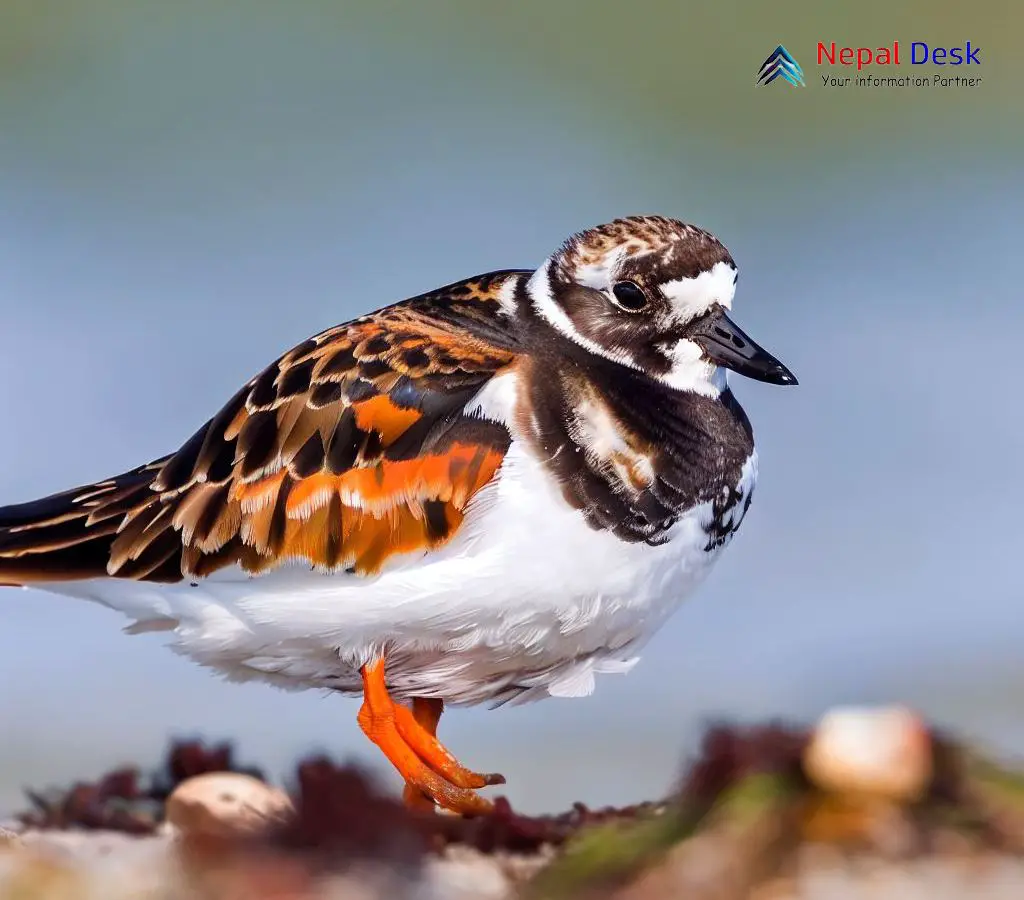
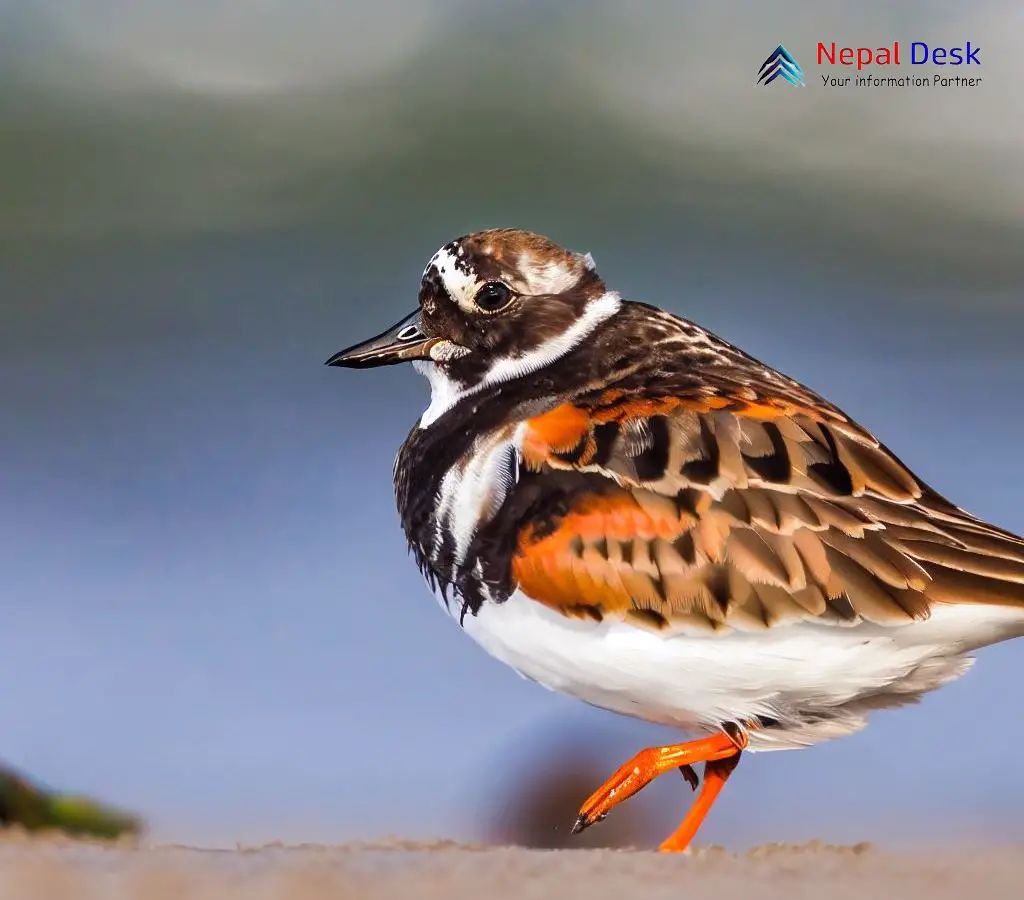
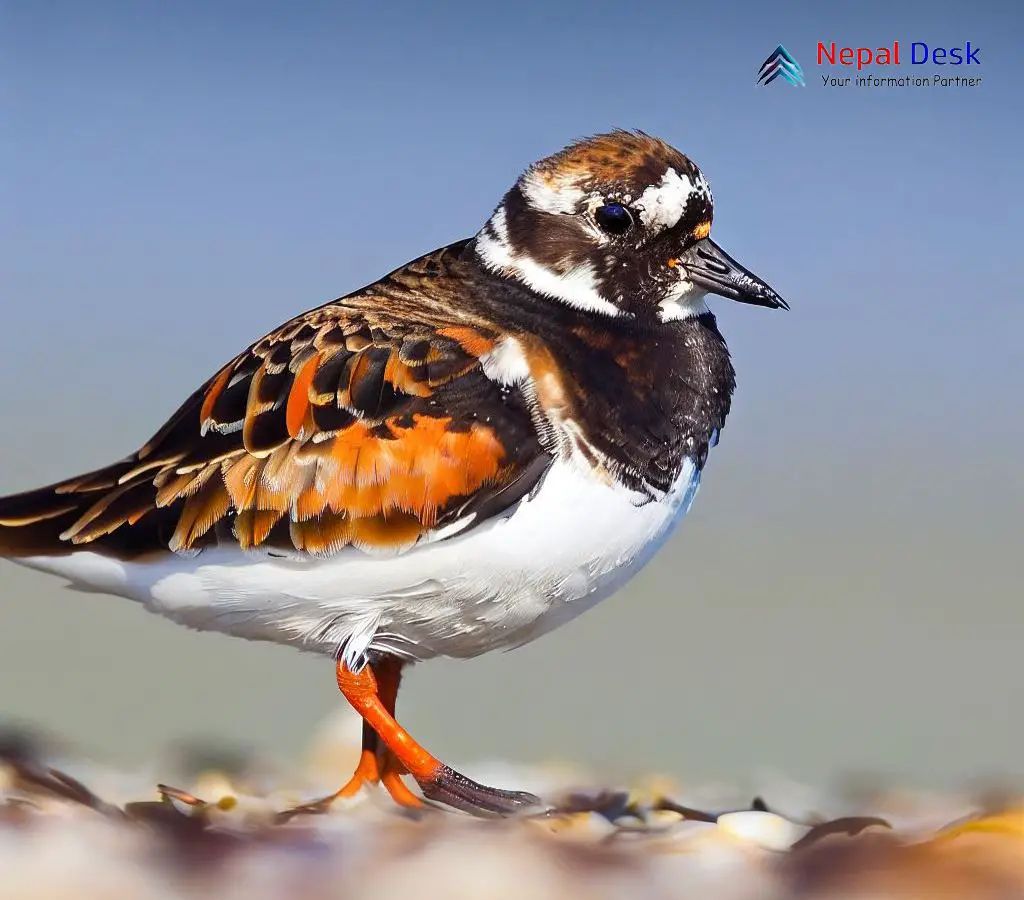
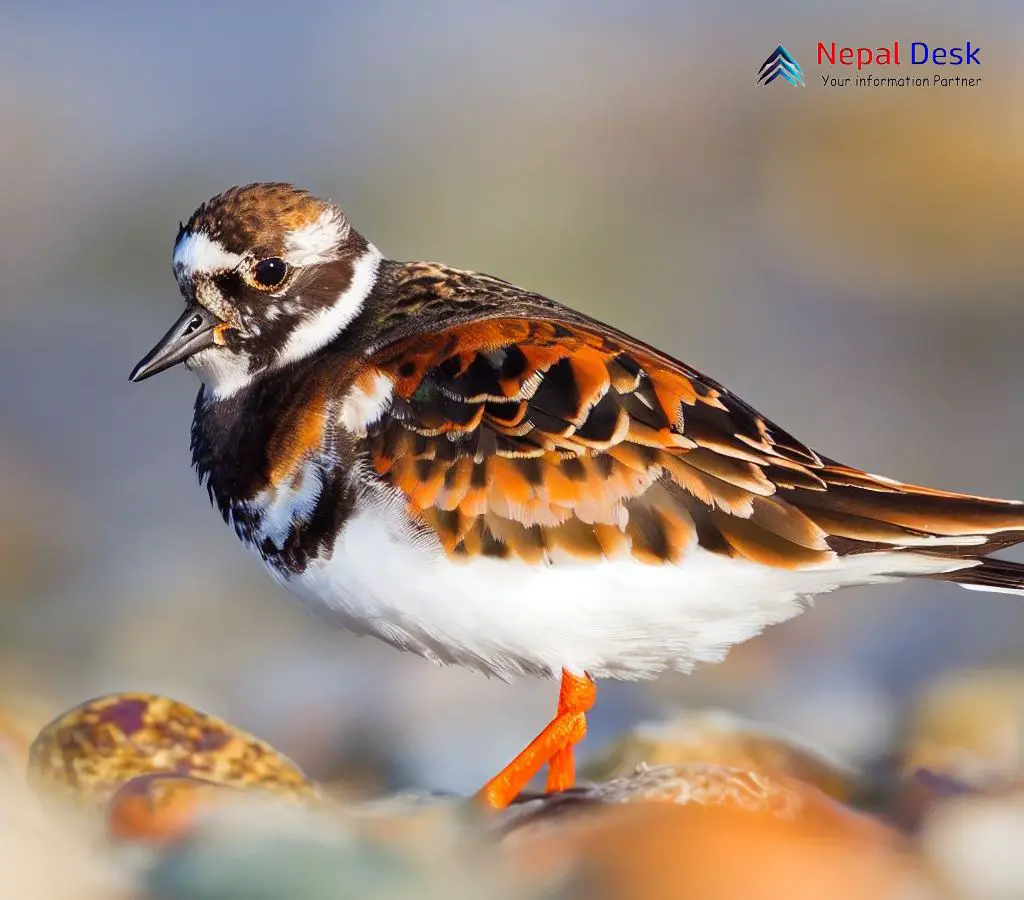
These fascinating birds are easily recognizable due to their distinctive physical features. Ruddy Turnstones have striking black-and-white patterns on their wings and back, a rusty red color on their heads and necks during the breeding season, and a characteristic white eyebrow. They feature stout bodies with short legs and a short, thick bill. Measuring around 8.5 - 9.5 inches (21-24 cm) in length, these birds are relatively small in size but certainly stand out among other avian species.
Habitat
Ruddy Turnstones thrive in various habitats across the globe. They frequent coastal regions such as rocky shores, sandy beaches, mudflats, salt marshes, and even manmade structures like jetties and seawalls. They mainly breed in the Arctic regions across Canada, Russia, and Scandinavia before migrating southwards during winter to coastal areas around South America, Africa, and Asia.
Diet
As omnivores with a varied diet, Ruddy Turnstones feed on both plant and animal matter to fuel their energetic lifestyle. Their meals typically consist of insects, crustaceans, mollusks, worms, fish eggs, and even carrion at times. Their short, powerful bills allow them to adeptly flip over stones, seaweeds, or debris to find their prey hidden beneath – which explains the origin of their name.
Presence in Nepal
Though predominantly found in the coastal regions globally, Ruddy Turnstones also make their presence felt in landlocked countries like Nepal. They can be observed in wetland habitats and riverbanks during migration as they pass through the region from August to October and March to May.
Interesting Point:
The remarkable ability of Ruddy Turnstones to adapt to various environments sets them apart from other bird species. They can drink both fresh and salt water due to specialized glands that help filter out excess salt, a feature that makes them versatile enough to thrive in diverse ecosystems.
In conclusion, the Ruddy Turnstone is a fascinating bird species that showcases remarkable adaptive abilities and stands out with distinctive physical features. Whether you are a seasoned birdwatcher or simply love admiring nature's beauty, you won't want to miss out on observing this captivating avian wonder.