

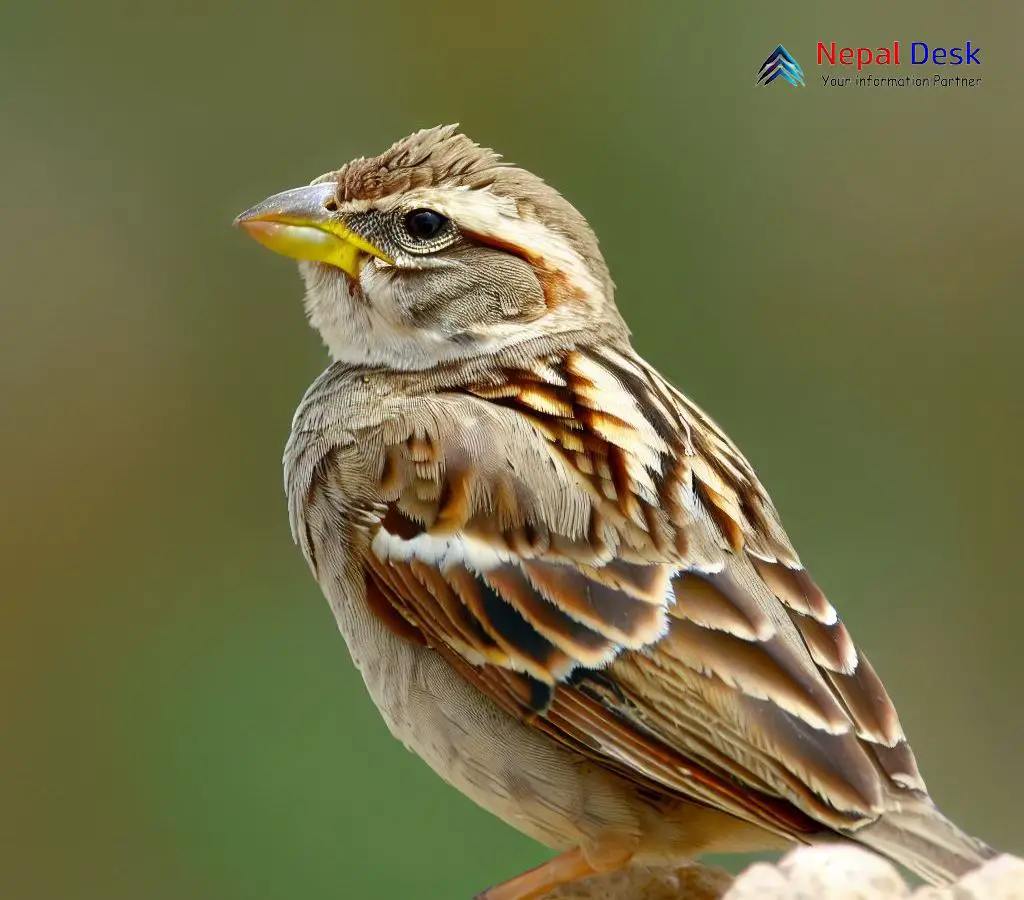
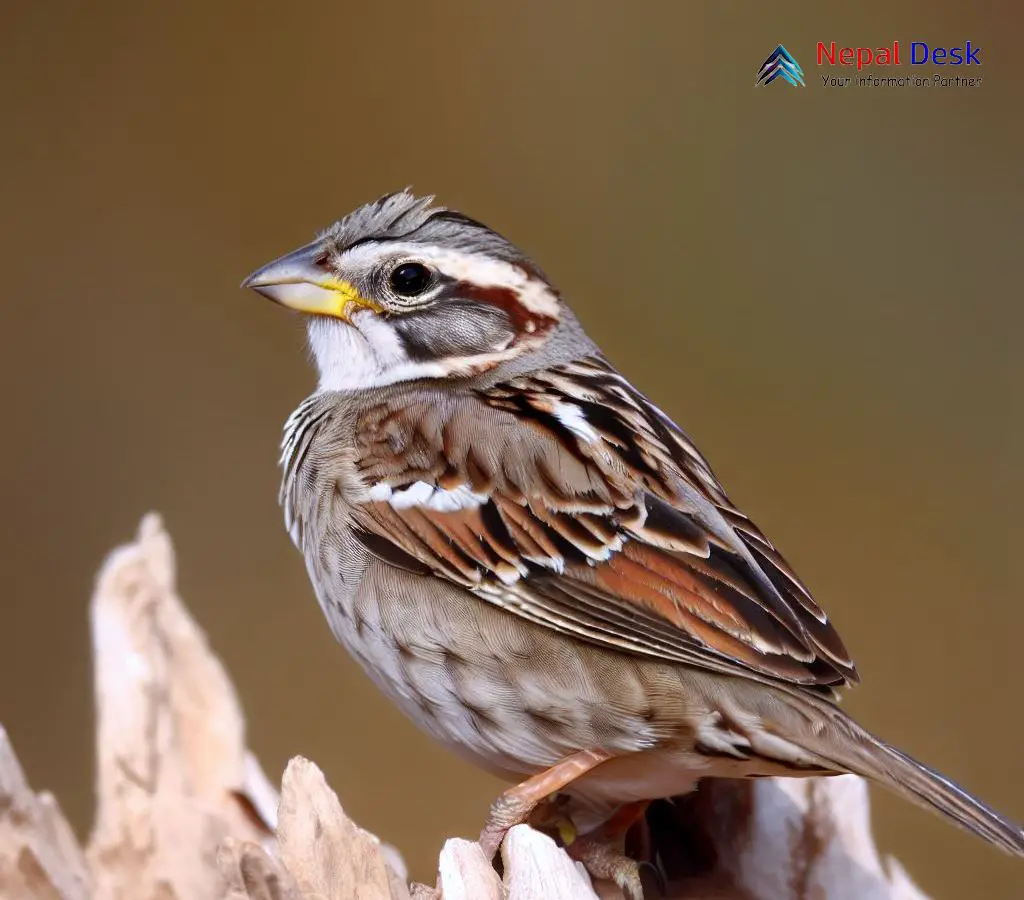
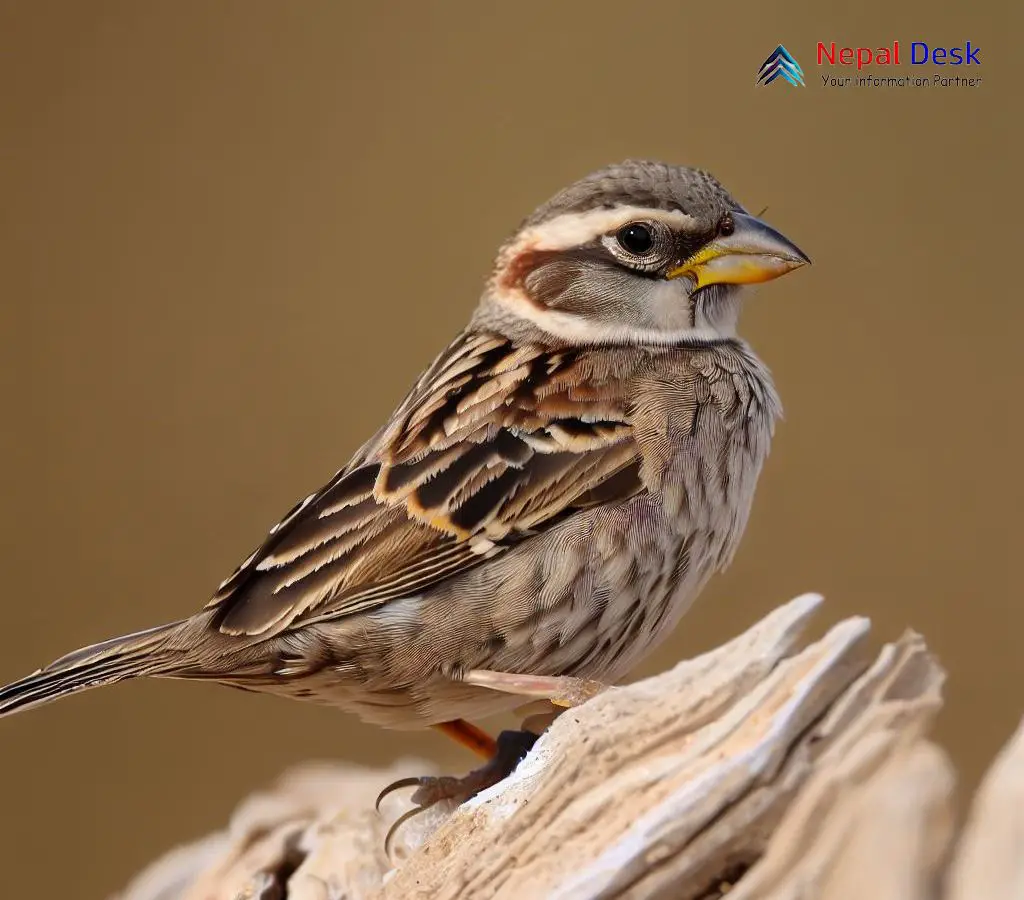
There's a certain captivating quality to the lesser-known Rock Sparrow (Petronia petronia), a small bird species that calls Europe, Asia, and Africa home. This intriguing creature has captured the attention of bird enthusiasts and scientists alike. In this article, we'll delve into the taxonomy, physical features, habitat, diet, presence in Nepal, and an interesting point about the Rock Sparrow.
Taxonomy and Physical Features
The Rock Sparrow belongs to the Passeridae family of birds. Situated within the order Passeriformes, it shares a close relationship with other sparrow species as evidenced by its morphological and genetic traits. Its scientific name, Petronia petronia, comes from the Latin word "petra," meaning rock – aptly describing its preferred nesting habitat.
Rock Sparrows are small birds that possess distinctive features. They have a plump body measuring 14-16 cm in length and weigh around 25-32 grams. Their plumage is predominantly dull brown with cryptic markings consisting of buff streaks on their upperparts. The most striking feature is their yellow throat patch that contrasts against their plain head.
Habitat and Diet
As their name suggests, Rock Sparrows thrive in rocky terrains. They are often found in mountainous regions with sparse vegetation or in areas near cliff faces with large boulders. They avoid dense foliage and prefer sparsely covered landscapes with easy access to open ground for foraging.
The dietary preferences of Rock Sparrows mirror those of many other passerines – they are opportunistic omnivores. Their diet primarily consists of seeds, but they are known to consume insects, particularly during the breeding season when they need additional protein for their growing chicks.
Presence in Nepal: A Rare But Beautiful Sight
Nepal is a country rich with diverse bird species, and the Rock Sparrow is no exception. Though not an abundant species in the area, they can be found in the higher altitudes of various regions throughout the country, often at elevations between 2,500 to 4,000 meters.
Interesting Point: True Devotion Among Mates
Rock Sparrows exhibit a fascinating monogamous breeding behavior. Pairs engage in elaborate courtship rituals to pairs and strengthen their bond before nesting. The male's displays often involve singing with outstretched wings and tail feathers while their yellow throat patch takes center stage.
In conclusion, the Rock Sparrow remains an enchanting topic of study as its lesser-known status adds an element of mystery to these captivating creatures. As we continue to learn more about their taxonomy, physical features, habitat, diet, and presence in Nepal, we can further appreciate their role in the ecosystem and better understand their unique behaviors.